Ledger Live Setup: Wallet Configuration and Onboarding
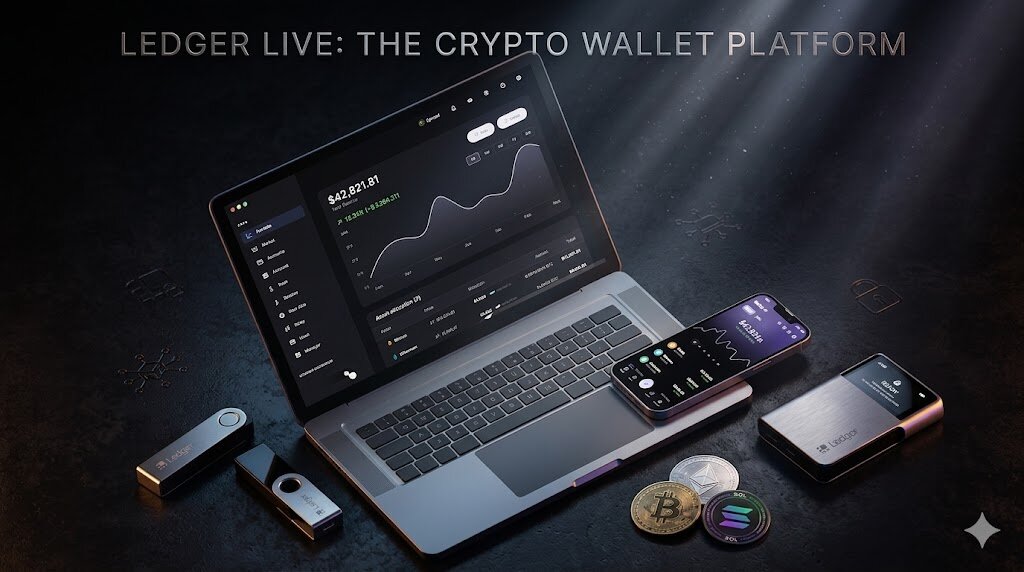
Ledger Live setup represents the initial configuration process that transforms a new Ledger hardware wallet into a functional crypto management system. The Ledger Live setup process combines device initialization, application installation, and account creation into a coordinated workflow that establishes everything users need for ongoing crypto operations across the broader Ledger ecosystem.
Setup quality affects security throughout the device's entire operational life, making careful attention during initial onboarding worthwhile beyond just getting the device working. The Ledger Live application coordinates the setup steps that establish the recovery phrase, configure the PIN, and prepare accounts for various blockchain networks.
This overview examines the Ledger Live setup process across its primary phases, from initial hardware unboxing through full operational readiness. The Ledger Live application onboarding handles different device models including the Ledger Nano S, Ledger Nano X, and Ledger Flex through similar overall flows that adapt to each device's specific characteristics.
Ledger Live Setup Initial Stage

The Ledger Live setup initial stage covers the first steps that users take when starting with new Ledger hardware. Understanding the initial stage clarifies how setup begins.
Device Unboxing and Verification
Ledger Live setup begins with unboxing the new device and verifying its genuine condition. The Ledger hardware wallet packaging includes various authenticity indicators that users check before initializing the device, with the verification protecting against tampered devices that might have been intercepted during distribution.
Ledger Live Application Download
Ledger Live application download starts the software side of the setup process. The Ledger Live download happens through ledger.com for desktop platforms or through official app stores for mobile devices, with users downloading the legitimate application before connecting their hardware.
First Connection Establishment
First connection establishment in Ledger Live setup happens when users connect their new device to the application for the first time. The Ledger Live application detects the connected device and recognizes its uninitialized state, then guides users through the setup flow that establishes the device for ongoing operation.
| Ledger Device Model | Connection Type | Setup Method |
|---|---|---|
| Ledger Nano S | USB | Computer with Ledger Live |
| Ledger Nano S Plus | USB-C | Computer with Ledger Live |
| Ledger Nano X | USB or Bluetooth | Computer or mobile |
| Ledger Flex | USB-C or Bluetooth | Computer or mobile |
| Ledger Stax | USB-C or Bluetooth | Computer or mobile |
| Replacement device | USB or Bluetooth | Recovery from phrase |
Ledger Live Setup Device Initialization

Ledger Live setup device initialization establishes the cryptographic foundation that supports all future operations. Understanding initialization clarifies the most important setup steps.
Recovery Phrase Generation
Recovery phrase generation during Ledger Live setup creates the master backup that controls all future account access. The Ledger Live setup process triggers the device to generate a 24-word recovery phrase through cryptographic randomness, with the phrase appearing only on the device screen during the initial generation.
PIN Configuration
PIN configuration during Ledger Live setup establishes the access credential that protects the device from unauthorized use. The Ledger Live PIN setup involves users choosing a PIN between 4 and 8 digits through the device's physical controls.
Initial Account Creation
Initial account creation completes the Ledger Live setup by establishing the first usable accounts on the device. The Ledger Live setup process lets users add accounts for the blockchains they want to use, with each blockchain requiring its own chain-specific app installed on the device.
Ledger Live Setup Multi-Device Scenarios

Ledger Live setup multi-device scenarios cover situations involving more than just initial device configuration. Understanding multi-device setup clarifies how the platform handles complex configurations.
Adding Multiple Ledger Devices
Adding multiple Ledger devices to Ledger Live setup lets users coordinate several hardware wallets through one application. The add another ledger to ledger live workflow handles the additional device through similar steps as the initial setup.
Recovery from Existing Phrase
Recovery from existing phrase represents an alternative Ledger Live setup path for users who already have recovery phrases from previous Ledger devices. The Ledger Live setup recovery flow lets users restore wallet access to new devices using their original recovery phrases.
Custom Token Addition
Custom token addition extends Ledger Live setup beyond just default supported assets. The add custom token to ledger live capability lets users include tokens that fall outside the application's default lists.
Ledger Live Setup Configuration Options

Ledger Live setup configuration options let users customize their setup beyond just the core required steps.
Application Preferences
Application preferences in Ledger Live setup let users customize various display and behavior aspects. The Ledger Live application includes settings for appearance like light or dark mode, primary currency display options, language selection from various supported languages, and various other preferences.
Account Organization Choices
Account organization choices during Ledger Live setup determine how users structure their holdings logically. The Ledger Live application supports custom account naming, allowing users to label accounts based on their specific purposes rather than just generic numbered names.
Privacy and Security Settings
Privacy and security settings during Ledger Live setup include various optional protections beyond just the core hardware security. The Ledger Live application supports an optional password that locks the user interface, protecting privacy of displayed portfolio information when users step away from their devices.
The major Ledger Live setup steps include the following:
- Unboxing the new device and checking authenticity indicators
- Downloading the Ledger Live application from official sources
- Connecting the device and starting the setup workflow
- Recording the 24-word recovery phrase carefully offline
- Verifying the recorded phrase through device confirmation
- Setting a PIN of 4 to 8 digits on the device
- Installing chain-specific apps for desired blockchains
- Creating initial accounts for the blockchains being used
Ledger Live Setup Across Device Models
Ledger Live setup across device models adapts to the specific characteristics of each Ledger hardware variant.
Ledger Nano Setup Specifics
Ledger Nano setup specifics apply to the Ledger Nano S, Ledger Nano S Plus, and Ledger Nano X models that share the Nano family form factor. The Ledger Live nano x setup uses USB or Bluetooth depending on user preference.
Ledger Flex Setup Characteristics
Ledger Flex setup characteristics reflect the newer device design with its touchscreen interface. The Ledger Live setup for Ledger Flex incorporates the touchscreen interaction patterns that the device supports, with setup steps adapting to the new interface paradigm.
Setup Flow Variations
Setup flow variations across Ledger Live setup adapt to different scenarios and user preferences. The Ledger Live setup handles new device initialization, recovery from existing phrases, replacement device setup, and various other scenarios through workflow variations that share common elements while adapting to specific situations.
Common Ledger Live setup characteristics across the broader process include:
- Device authentication verification protecting against tampered hardware
- Recovery phrase generation creating the master backup credential
- PIN configuration establishing the access credential
- Chain-specific app installation for blockchain support
- Initial account creation for primary blockchains
- Application preference customization for user experience
- Account organization for logical holdings structure
- Multi-device support for redundancy and flexibility
- Recovery flow for restoring access to replacement devices
- Custom token addition extending default asset coverage